
Golf Equipment
How to choose wedge loft, bounce, and grind
A wedge stamped 56 degrees can be a digger, a glider, a bunker specialist, or the most versatile club in the bag. Loft is only the first angle in the decision.
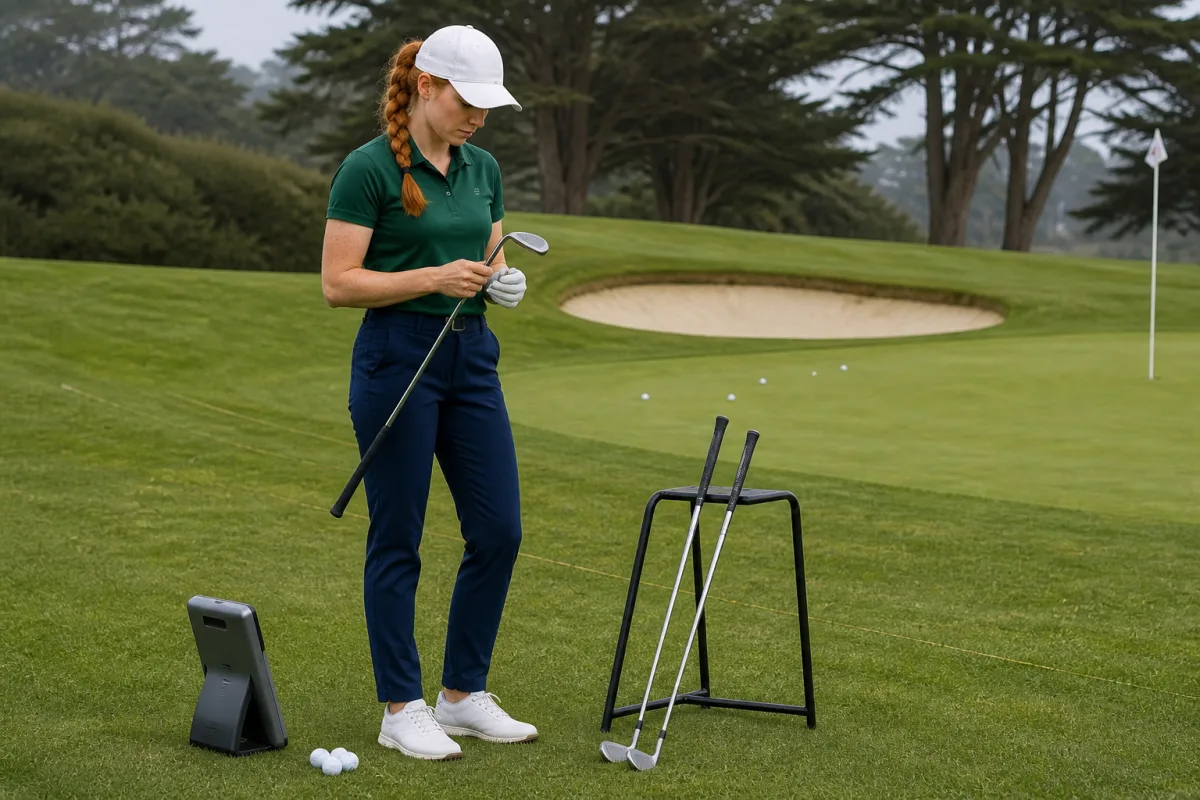
The wedge angle question is really four questions
Golfers ask whether they should buy a 52-, 54-, 56-, 58-, or 60-degree wedge. That number is the static loft, and it matters. It does not tell me how the club will move through firm turf, soft sand, or a steep swing.
A useful wedge choice combines loft, bounce, grind, and sole width. Loft helps establish flight and carry. Bounce describes the sole's angle relative to the ground. Grind changes the sole's shape and therefore how that bounce behaves when the face is square, open, or closed. Sole width and camber add another layer of resistance to digging.
Step one: learn the loft you already own
A modern pitching wedge might be 41 degrees, 46 degrees, or something between. The letters on the sole do not reveal the number. Look up the specification for your exact iron model, then verify the carry distance with your normal ball and a useful strike sample.
A four- to six-degree loft gap is a reasonable starting framework, and major wedge fitters commonly begin there. Carry gaps matter more than visual symmetry. A 44-degree pitching wedge may lead naturally to 48, 52, and 56. A 47-degree pitching wedge could make 52, 56, and 60 more logical. Two clubs stamped four degrees apart can still overlap if their shafts, lengths, head designs, or your delivery create the same carry.
The 14-club guide looks at the whole bag. For this decision, I would write down only four things:
- The measured loft of the shortest set iron.
- Its normal carry, excluding the best and worst shots.
- The shortest full-swing carry I need to cover.
- The greenside shot I need most: square-face chip, pitch, bunker shot, or open-face lob.
What each loft usually does
| Typical loft | Common role | Question before buying |
|---|---|---|
| 44-48 degrees | Pitching or strong gap wedge, often used for full shots. | Does it blend better as part of the iron set or as a specialty wedge? |
| 48-52 degrees | Gap wedge for full and three-quarter distances. | Does it fill a real carry gap below the pitching wedge? |
| 54-56 degrees | Versatile sand and pitching loft. | Can its bounce handle both your turf and normal bunker sand? |
| 58-60 degrees | Higher, shorter shots and more open-face options. | Will you practice it enough to control strike and distance? |
| 62 degrees and above | Specialized height and short-sided recovery. | Does it solve a recurring problem better than learning another shot with less loft? |
Those ranges describe jobs, not rules. A golfer can play excellent golf with two wedges below the pitching wedge. Another may use four because the bottom of the bag matters more than a rarely used long club. The setup has to fit the course and the golfer, not complete a display rack.
Bounce is protection against digging
Measured bounce is the angle between the leading edge, the lowest point of the sole, and the ground when the club is in its specified position. More bounce generally gives the sole more ability to resist digging. That can help with a steeper delivery, softer turf, and fluffy sand. Less bounce can let the leading edge sit lower on firm ground and suit a shallower delivery.
That description is only a starting point because two wedges marked with the same bounce can play differently. A wide sole with more camber can feel more forgiving than a narrow sole. Heel and trailing-edge relief can let an open face sit lower. The golfer's handle position and face angle change the effective bounce delivered to the turf.
Grind is the shape that makes bounce usable
A grind removes or reshapes material from the heel, toe, trailing edge, or center of the sole. Its job is not to decorate a product chart. It changes how the club enters and exits the ground and how high the leading edge sits when the face opens.
- Fuller soles tend to favor square-face shots and resist digging.
- Heel relief can help the face open without lifting the leading edge as much.
- Trailing-edge relief can reduce how much sole remains in contact as the club moves through turf.
- Wider soles can add effective forgiveness in soft conditions or sand.
- Narrow low-bounce soles can be versatile on tight, firm lies but punish a steep or inconsistent low point.
Manufacturers use different letters and names for similar intentions, and similarly named grinds can still differ in geometry. Translate the name into a job: square or open face, steep or shallow delivery, firm or soft turf, compact or fluffy sand.
Divot size alone does not decide whether a strike was good. A shallow brush can be excellent. When a shot does take a divot, look at where it begins relative to the ball, how deep it is, and whether the pattern repeats.
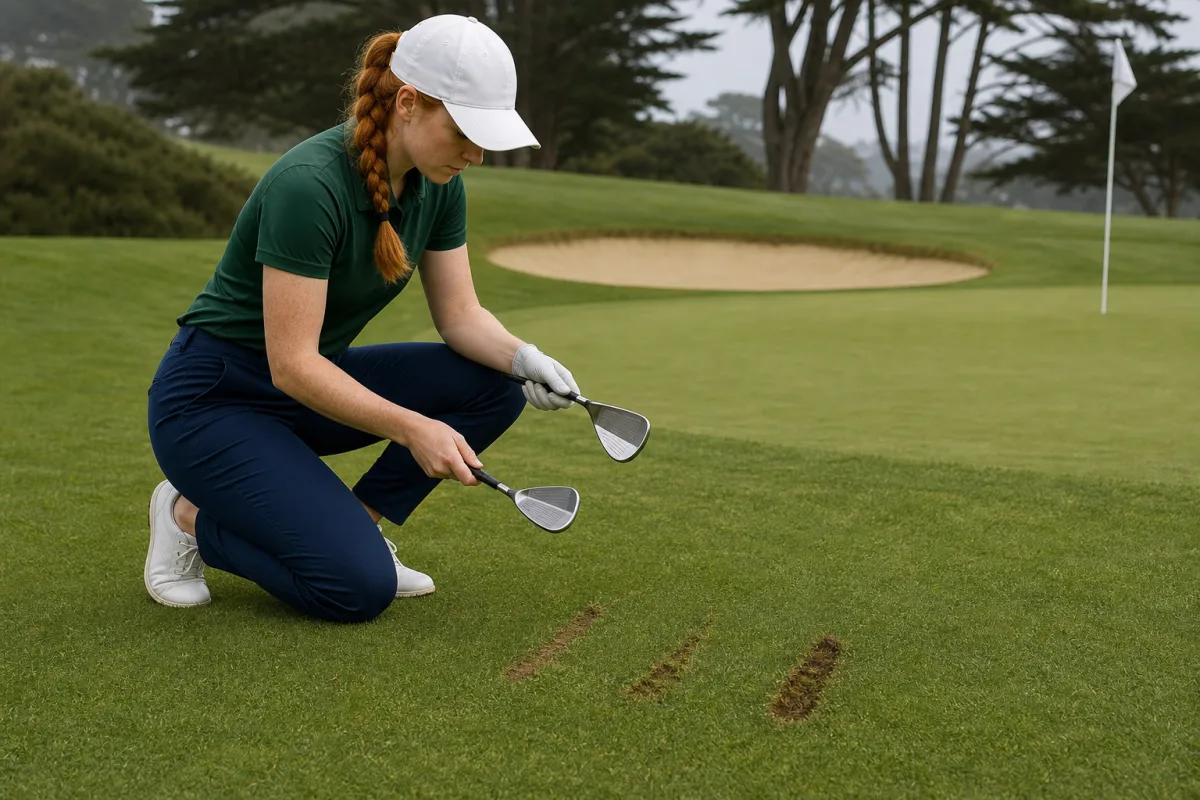
A practical bounce-and-grind starting map
| Your pattern | Starting direction | What to test |
|---|---|---|
| Steep delivery, deep divots | More bounce or a fuller sole. | Can the club reach the ball without digging while keeping flight controlled? |
| Shallow delivery, firm turf | Lower measured bounce or a narrower relieved sole. | Does the leading edge sit comfortably without producing thin strikes? |
| Soft turf or fluffy sand | More effective bounce and sole width. | Does the sole glide without bouncing into the middle of the ball? |
| Open-face shot maker | Heel, toe, or trailing-edge relief. | Can the face open while the leading edge remains low enough for the lie? |
| Mostly square-face chips and full swings | Stable mid-bounce or fuller sole. | Does the club repeat contact before it adds specialty-shot versatility? |
This is a place to begin testing, not a prescription. Even a steep golfer can prefer less measured bounce when a sole is wide and the turf is firm. A shallow golfer may benefit from more bounce if soft conditions or confidence demand it. Blind testing is useful because it lets strike, flight, and turf interaction speak before the stamp does.
How many wedges should you carry?
Start with the pitching wedge, one reliable bunker-and-pitch club, and enough loft coverage to avoid a large full-swing gap. That can produce a simple two-specialty-wedge setup. Add another only when it owns a distinct carry or shot that appears often.
A practical three-wedge progression below the pitching wedge might be 50, 54, and 58 degrees. Another golfer might prefer 52, 56, and 60. The exact pattern matters less than the measured distance gaps and jobs. I would rather know exactly what a 56-degree wedge does from 70 yards, a greenside bunker, and damp rough than carry four wedges whose roles blur together.
Head material is not the same as manufacturing method
Wedge descriptions often mix material, construction, and finish until they sound like one feature. They are separate:
- Carbon steel is common in both forged and cast wedges. Different alloys vary in hardness, density, and corrosion behavior.
- Stainless and proprietary steel alloys can prioritize corrosion resistance, durability, mass properties, or a manufacturer's preferred feel.
- Forging shapes heated metal under force. Casting pours molten metal into a mold. Neither process automatically produces more legal groove spin.
- Chrome or nickel plating protects the underlying metal and changes appearance.
- Dark finishes can reduce glare and wear visibly over time.
- Raw finishes leave the steel unplated, so patina and rust are expected.
Feel is real to the golfer but difficult to assign to one variable. Head geometry, cavity design, center of gravity, shaft, ball, strike, sound, finish, and material all contribute. A forged carbon-steel label is not a promise that the wedge will feel better to you or spin more than a well-fit cast model.
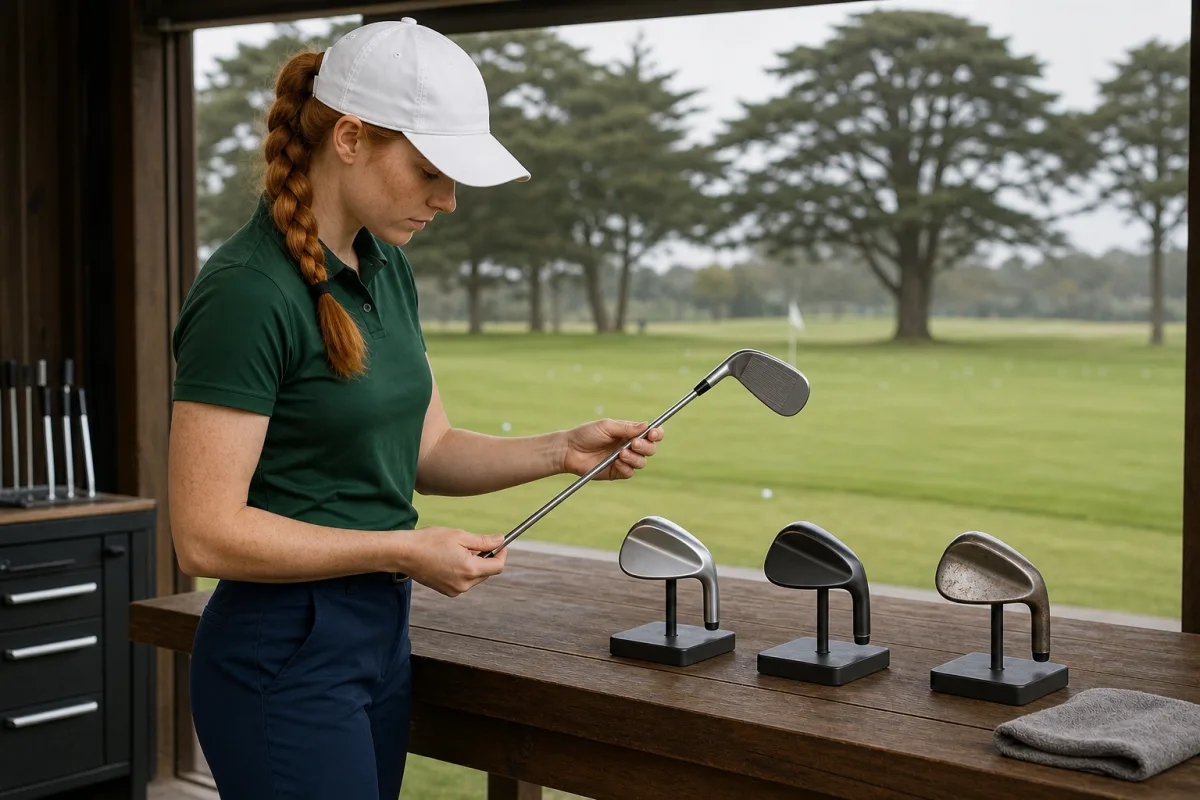
Raw rust is an appearance and maintenance choice
A raw wedge develops patina because the steel is not protected by plating. Some golfers like the low-glare, changing finish. Others would rather keep a plated wedge looking consistent. The rust itself should not be treated as a meaningful spin upgrade. Groove geometry, legal face texture, cleanliness, ball, lie, speed, and contact remain the useful variables.
If you choose raw, dry it after play and accept that the finish will change. If you choose chrome or another plated finish, use mild soap, water, and a soft brush rather than harsh chemicals or abrasive polishing. In either case, keep the grooves clear and do not cut them sharper at home.
A current shortlist worth testing, not a ranking
There is no responsible universal "best wedge." As of August 2026, these current families make a useful test list because they approach fitting from different directions. Product names are included for comparison only; there are no product or shopping links.
| Current family | Why it belongs in a fitting | Who should compare it |
|---|---|---|
| Titleist Vokey SM11 | A very broad matrix of loft, measured bounce, and six core grinds. | Golfers who want detailed sole fitting and traditional blade shapes. |
| PING s259 | Six grind families and extensive loft combinations, including wider forgiving soles. | Golfers who want several turf-interaction options in one family. |
| Cleveland RTZ and CBZ | Blade and cavity-back paths, proprietary steel, and soles aimed at different forgiveness needs. | Golfers deciding between compact versatility and more help on imperfect contact. |
| TaylorMade Milled Grind 5 | A forged head with multiple precision-milled sole options. | Golfers who value forged construction but still need the grind to fit. |
| Callaway Opus SP and SP+ | Progressive shapes and a family that includes different launch, forgiveness, and sole intentions. | Golfers who want to compare a tour-shaped option with a more forgiving extension. |
| Mizuno Pro T-1 and T-3 | A more traditional multi-grind head beside a shallow-cavity, stability-focused alternative. | Golfers who want forged feel while comparing compact and more stable profiles. |
The test list should also include any model you already strike well. A new release does not invalidate a familiar sole that matches your delivery. Availability and lineups change, so verify the current model and specifications with a fitter before ordering.
How I would run the fitting
- Bring the pitching wedge and current scoring wedges. The fitter needs the beginning of the gap, not only the proposed replacement.
- Use the ball you play. Range balls can hide the flight and spin differences being tested.
- Hit full, three-quarter, and partial shots. A gap wedge may need to excel on full swings while a lob wedge earns its place around the green.
- Test tight turf, light rough, and a bunker. Indoor mats can compare carry but cannot reveal the whole sole.
- Watch contact before spin. A model that produces clean strikes and a stable flight gives spin a chance to repeat.
- Test the face open and square. Do this only for shots you expect to use.
- Record carry gaps and worst misses. The best shot is less informative than the pattern.
A real-grass fitting is especially valuable. If that is not available, combine launch-monitor carry testing with a demo day or short-game area where the course permits testing from turf and sand.
Buying used can work, with one extra inspection
Used wedges can be excellent value when the loft, bounce, grind, length, lie, and shaft fit. Inspect the impact area under good light. Heavy polishing, rounded grooves, face damage, excessive sole wear, a bent shaft, or an unknown home re-groove should lower confidence.
Also verify that the stamped loft is still the measured loft. Bending a wedge can alter both loft and bounce, generally by the same amount. A wedge bent two degrees stronger also loses roughly two degrees of measured bounce; one bent weaker gains it. That may be useful when done by a qualified club builder, but it should be part of the plan.
The final buying checklist
- I know the exact loft and normal carry of my shortest iron.
- Every new wedge owns a distinct carry gap or recurring shot.
- I tested the sole from conditions resembling the courses I play.
- The leading edge reaches the ball without frequent digging or bouncing.
- I can hit my stock square-face shot before judging open-face versatility.
- I chose material and finish for feel, glare, wear, and maintenance - not mythical spin.
- I compared the pattern of misses, not only one perfect shot.
Once the fit is right, the companion guide on creating more wedge spin turns the club choice into a practice plan. The wedge can help the sole reach the ball. Clean contact still has to finish the job.
Sources
- PGA of America: how a club and wedge fitting works
- PGA of America: understanding wedge bounce
- USGA: equipment and clubface requirements
- The R&A: Rules of Equipment
Current model families and lineup details were checked against the manufacturers' official United States materials in August 2026. Product pages are intentionally not linked.
More from this series
Clubs and Gear Without the Guesswork
Part 3 of 10. Choose a useful bag, ball, scoring club, distance device, and first purchases around the golfer you are now.
Keep reading
Here's another article you can enjoy
So many clubs! What pros carry and beginners actually need
The 14-club rule, wedge gaps, woods, hybrids, putters, and the case for giving every club a job.
Golf club offset: when it helps, when it hurts, and what to buy
Offset can support an open-face miss, but it is only one part of an iron. Here is how to recognize it, test it, and know when your fit deserves another look.
How to choose a golf ball without overthinking it
Distance, feel, spin, compression, and price explained for newer avid golfers.